Your Favourite Breakfast Is Why You're Diabetic (Sorry)
On this page
- What You'll Learn:
- Exhibit A: Chee Cheong Fun (The Sneaky Devil)
- Exhibit B: Kaya Toast (The Carb Classic)
- Exhibit C: Wanton Mee (The Carb King)
- Exhibit D: Dim Sum (The Hidden Bomb)
- Why This Kills Your Pancreas
- The Drink That Makes It 10x Worse
- What You're NOT Eating (And Why It Matters)
- So What Can You Actually Eat?
- The Bottom Line
Discover why common kopitiam breakfasts like Wanton Mee or Chee Cheong Fun can contribute to diabetes and how simple adjustments can make a significant difference.

Let's talk about your breakfast this morning.
Wanton mee?
Chee cheong fun with sweet sauce?
Kaya toast?
Dim sum?
Delicious, right?
Also: pure carbs.
And if you've been eating these every day for the past 10 years, your pancreas is probably screaming at you right now.
Let me explain why your favourite kopitiam breakfast is slowly turning you diabetic.
(And no, I'm not going to tell you to eat salad for breakfast. Relax.)
What You'll Learn:
- Why your go-to breakfast foods are carb bombs in disguise
- What happens in your body when you eat wanton mee at 8 AM
- Why adding a sugary drink makes everything 10x worse
- How to keep eating what you love without wrecking your metabolism
Let's start with the most innocent-looking villain: chee cheong fun.
Exhibit A: Chee Cheong Fun (The Sneaky Devil)
Smooth. White. Delicate rice rolls.
Drizzled with sweet sauce and sesame seeds.
Light breakfast, right?
Wrong.
What you're actually eating:
- 60-70g of refined carbohydrates (rice flour)
- 15-20g of sugar from the sweet sauce
- Maybe 5-10g of protein if there's shrimp filling
Translation: You just ate 4 slices of white bread dipped in syrup.
At 8 AM.
On an empty stomach.
What happens next:
Your blood sugar spikes.
Your pancreas dumps insulin.
By 10 AM, your blood sugar crashes.
You're hungry again.
Blood sugar roller coaster activated.
Exhibit B: Kaya Toast (The Carb Classic)
White bread. Butter. Kaya (coconut jam). Soft-boiled eggs.
The quintessential Malaysian breakfast.
What's on the plate:
- 2 slices of white bread (30-40g carbs)
- Kaya (15-20g sugar)
- Butter (fat, at least something useful)
- 2 eggs (protein, finally)
What you're eating:
- 50-60g carbs + sugar
- 12g protein from eggs
But nobody stops there.
You add kopi-o with sugar (20g sugar).
Total glucose load: 80g.
Your liver is now desperately trying to process this.
Where does excess glucose go?
Stored as fat in your liver.
Non-alcoholic fatty liver disease.
Which leads to insulin resistance.
Which leads to Type 2 diabetes.
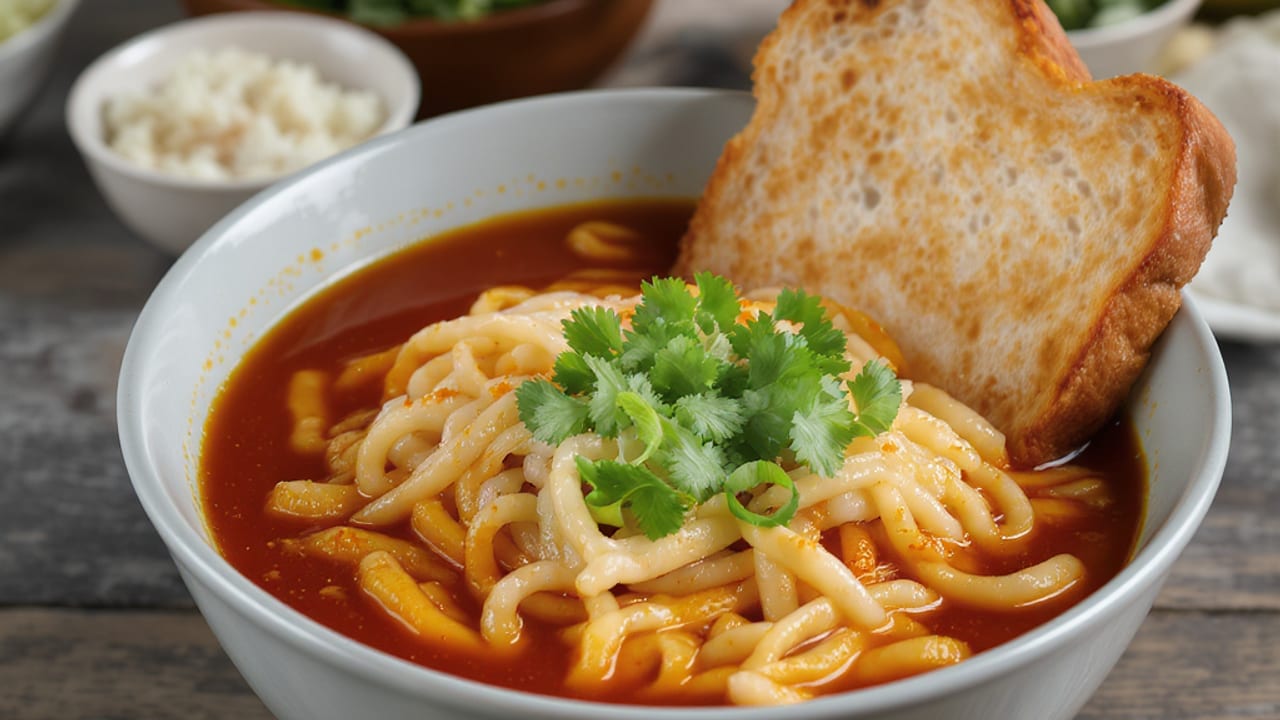
Exhibit C: Wanton Mee (The Carb King)
Springy noodles. Char siew. A few greens.
What's on the plate:
- 200-300g of noodles (70-90g carbs)
- 3-4 slices of char siew (20g protein)
- A handful of chye sim (vegetables)
Plate ratio:
- 70% carbs
- 20% protein
- 10% vegetables
But wait, you also ordered:
Iced Milo (30g sugar).
Total: 120g of glucose in one sitting.
Your blood sugar doesn't stand a chance.
Exhibit D: Dim Sum (The Hidden Bomb)
Little bamboo baskets. Cute dumplings.
Let's count the carbs:
- Har gow (shrimp dumpling): 10g carbs per piece
- Siew mai (pork dumpling): 10g carbs per piece
- Char siew bao (BBQ pork bun): 45g carbs per bun
- Cheong fun (rice roll): 20g carbs per roll
- Lo mai gai (sticky rice): 55g carbs per piece
A typical dim sum breakfast (4-5 baskets):
Total: 150-160g of carbohydrates.
And you haven't had your pu-erh tea with sugar yet.
Why This Kills Your Pancreas
Here's what happens when you eat high-carb breakfasts every day:
8:00 AM: Blood sugar spikes to 10-12 mmol/L (normal is under 7.8 after eating)
10:00 AM: Insulin brings it crashing down. You're tired. Hungry. Irritable.
12:00 PM: Another carb-heavy meal. Blood sugar spikes again.
3:00 PM: Crash again. You drink teh tarik (more sugar).
6:00 PM: Dinner (rice or noodles). Blood sugar spikes again.
10:00 PM: Night snack (biscuits). One last spike.
What just happened:
Your blood sugar spiked and crashed 5-6 times in one day.
Your insulin was elevated all day long.
Your liver stored excess glucose as fat.
Your muscles are full and can't take any more.
Your cells start ignoring insulin.
That's insulin resistance.
And when your cells ignore insulin, glucose stays in your blood.
That's diabetes.
The Drink That Makes It 10x Worse
Let's talk about your morning beverage.
Teh tarik: 25g sugar
Iced Milo: 30g sugar
Kopi-O with sugar: 20g sugar
Your breakfast combo:
- Wanton mee (90g carbs)
- Iced Milo (30g sugar)
Total: 120g of glucose.
That's 30 teaspoons of sugar.
Fructose from the drink goes straight to your liver.
It gets converted into fat.
Over time: fatty liver disease.
Fatty liver = insulin resistance = diabetes.
The noodles didn't make you diabetic.
The sugary drink with the noodles did.
What You're NOT Eating (And Why It Matters)
Notice what's missing?
Protein.
Wanton mee? Mostly noodles, tiny bit of char siew.
Kaya toast? Bread and jam, two eggs barely count.
Dim sum? Mostly wrappers.
Asian breakfasts are 70-80% carbs, 10-20% protein.
Why does this matter?
Protein slows glucose absorption.
Protein keeps you full longer.
When you eat carbs without protein, blood sugar spikes harder.
Compare:
Meal 1: Bowl of wonton noodles (80g carbs, 15g protein)
- Blood sugar spike: HIGH
- Hunger returns: 2 hours
Meal 2: Half bowl of noodles + 2 eggs + vegetables (40g carbs, 30g protein)
- Blood sugar spike: MODERATE
- Hunger returns: 4 hours
Same noodles. Different outcome.
So What Can You Actually Eat?
You can still eat your favourite foods.
Just make them less deadly.
Fix 1: Eat Half, Add Protein
Instead of: Full plate wanton mee + iced Milo
Do this: Half plate wanton mee + extra char siew + 2 eggs + Chinese tea (no sugar)
Result: 40g carbs instead of 90g, no sugar crash
Fix 2: Swap the Drink
Instead of: Kaya toast + kopi-o with sugar
Do this: Kaya toast + black coffee
Result: Cut 20g of sugar
Fix 3: Rebalance Dim Sum
Instead of: 3 baskets of dumplings (all carbs)
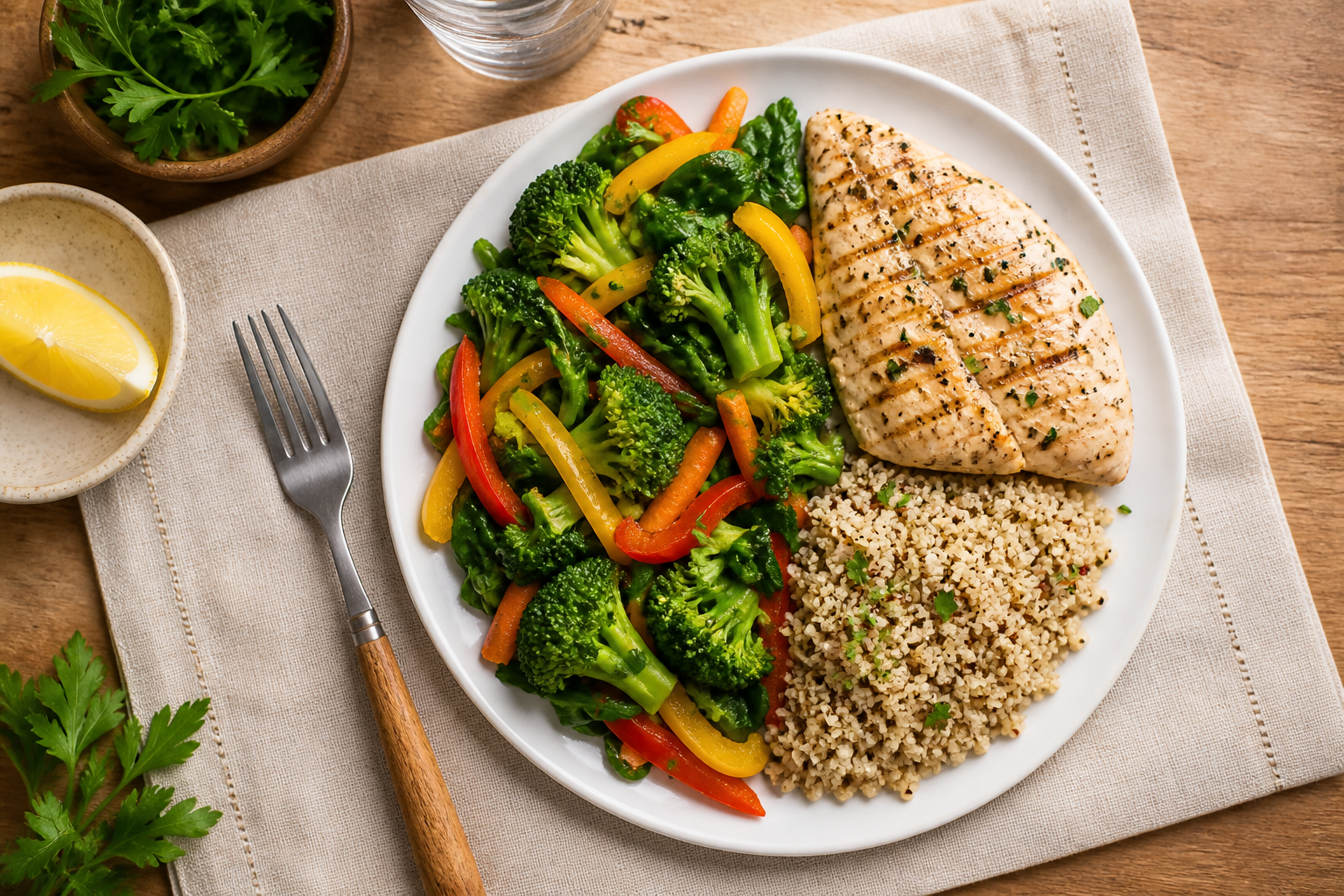
Do this: 1 basket har gow + 1 basket siew mai + steamed chicken feet + stir-fried vegetables
Result: More protein, fewer carbs
Fix 4: Eat Slower
Instead of: Finishing in 5 minutes
Do this: Take 15-20 minutes
Result: Your brain gets the "I'm full" signal before you overeat
The Bottom Line
Your favourite kopitiam breakfast isn't evil.
But the way you're eating it is setting you up for diabetes.
Too many carbs. Too much sugar. Not enough protein. Eaten too fast.
Your grandparents ate the same food.
But smaller portions, no sugary drinks, and they walked 10,000 steps a day.
You eat bigger portions, add iced Milo, and sit at a desk for 8 hours.
Same food. Different outcome.
You don't have to give up wanton mee or kaya toast forever.
You just need to stop eating it like it's your last meal on earth.
Half the portion. Skip the sugar drink. Add protein.
Your pancreas will thank you.
Common questions
Frequently asked questions
Why is Chee Cheong Fun considered a high carbohydrate breakfast?
Chee Cheong Fun is primarily made from refined rice flour, often containing 60 70g of carbohydrates per serving, and the sweet sauce adds another 15 20g of sugar.
How does a typical Malaysian breakfast like Kaya Toast contribute to health issues?
Kaya toast, especially when paired with sugary drinks, combines refined carbohydrates from white bread with sugar from kaya and added beverages, leading to a high glucose load that can contribute to fatty liver disease and insulin resistance.
What makes Wanton Mee a significant source of carbohydrates?
A plate of Wanton Mee typically contains 200 300g of noodles, equating to 70 90g of carbohydrates, and when combined with sugary drinks, the total glucose load can be substantial.
What is the role of protein in a balanced breakfast?
Protein slows down glucose absorption, helps you feel full longer, and can lead to a less pronounced blood sugar spike compared to a high carbohydrate meal without sufficient protein.
What are practical ways to make breakfast healthier without eliminating favourite foods?
You can make your breakfast healthier by reducing portion sizes, increasing protein intake by adding extra eggs or meat, choosing unsweetened beverages, and eating more slowly to allow your body to signal fullness.