Skinny Diabetes: Why Being Thin Doesn't Mean You're Healthy
Discover why lean individuals with diabetes may face worse outcomes than their overweight counterparts. Learn about ectopic fat deposition and how to achieve metabolic health.

You're diabetic.
And you're thin.
Maybe even underweight.
Your friends say: "At least you don't need to lose weight."
Your doctor says: "Just take your medications and watch your diet."
But here's what nobody's telling you:
Skinny diabetics have worse outcomes than overweight diabetics.
Higher complication rates.
Faster disease progression.
Higher mortality.
And weight loss won't save you.
Because your problem isn't excess fat.
It's something far more dangerous.
What You'll Learn:
- Why being thin with diabetes is actually more dangerous than being overweight with diabetes
- What skinny diabetes reveals about your metabolism (that fat diabetes doesn't)
- Why doctors focus on weight loss but ignore the real problem
- What's actually killing your cells when you're thin and diabetic
- How to reverse diabetes when you have no weight to lose
This isn't what you've been told.
But it might save your life.
The Myth Everyone Believes
The standard narrative:
Diabetes = overweight → lose weight = cure diabetes.
So when you're diabetic and thin, everyone's confused.
"You're not even fat. How did you get diabetes?"
"Just eat healthier and you'll be fine."
Wrong.
Being thin with diabetes doesn't mean you're "almost healthy."
It means your body is failing in a different way.
And statistically, it's worse.
The Data No One Talks About
Multiple studies over the past decade show the same disturbing pattern:
Lean diabetics (BMI < 25) have:
- Higher cardiovascular mortality than obese diabetics
- Faster decline in kidney function
- Higher rates of neuropathy and retinopathy
- Shorter life expectancy after diagnosis
A 2021 study published in Diabetes Care followed 5,000+ diabetics for 10 years.
Finding:
Normal-weight diabetics had 2x higher risk of death compared to overweight/obese diabetics with similar HbA1c levels.
Why?
Because when you're thin and diabetic, your body has run out of places to safely store excess energy.
What Skinny Diabetes Actually Means
Here's what's happening inside your body:
In Overweight Diabetics:
Excess glucose gets stored as fat under the skin (subcutaneous fat).
Yes, they're insulin resistant.
Yes, they have fatty liver.
But their body still has storage capacity.
Fat tissue = buffer.
In Lean Diabetics:
Your body can't store fat properly.
So where does excess glucose go?
It gets stored in organs that shouldn't store fat:
- Liver (fatty liver, even at low body weight)
- Pancreas (fat infiltration damages insulin-producing cells)
- Heart (lipotoxicity)
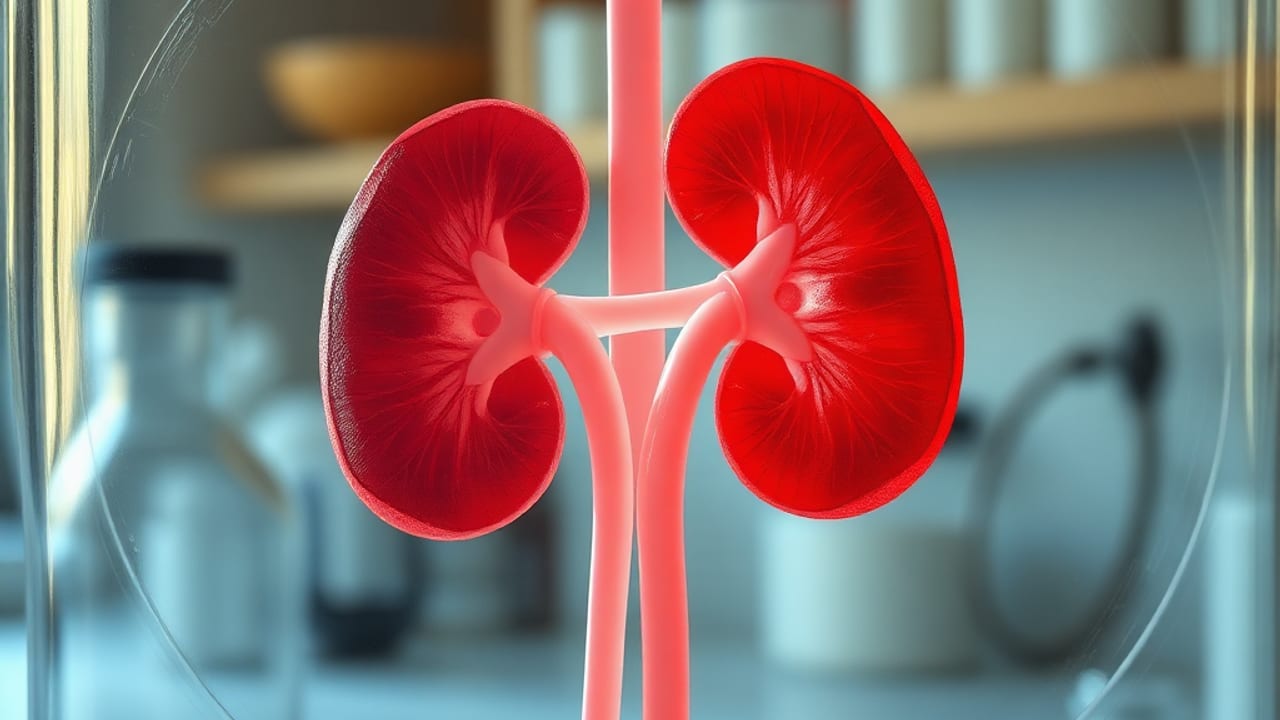
- Kidneys (lipid accumulation)
- Muscles (intramyocellular lipid buildup)
This is called ectopic fat deposition.
Fat in the wrong places.
And it's toxic.
When fat accumulates in organs, it causes:
- Inflammation
- Oxidative stress
- Cellular dysfunction
- Organ damage
Overweight diabetics store fat in relatively safe places (under the skin).
Lean diabetics store fat in dangerous places (inside organs).
That's why outcomes are worse.
Why You're Thin But Still Diabetic
If you're skinny with diabetes, one of these is happening:
1. TOFI (Thin Outside, Fat Inside)
You look lean.
But your liver, pancreas, and muscles are packed with fat.
Visceral fat (organ fat) is invisible.
You can have normal BMI and still have fatty liver disease.
2. Poor Muscle Mass (Sarcopenia)
Your body weight is normal, but you have low muscle mass.
Muscle is your primary glucose storage site.
Less muscle = less capacity to store glucose = higher blood sugar.
3. Genetic Fat Storage Deficiency
Some people genetically can't expand fat tissue properly.
When they overeat, fat goes straight to organs instead of subcutaneous tissue.
This is common in South Asians and East Asians.
They develop diabetes at lower BMIs than Europeans.
4. Pancreatic Exhaustion
Your pancreas stopped producing enough insulin early.
You're not overweight because your body can't store the energy.
Your cells are starving despite high blood sugar.
This sometimes gets misdiagnosed as Type 2 when it's closer to late-stage Type 1 (LADA).
Why Weight Loss Won't Fix You
Doctors tell overweight diabetics: "Lose 10kg and your diabetes will improve."
And it works.
Because losing weight:
- Reduces liver fat
- Improves insulin sensitivity
- Depletes ectopic fat stores
But if you're already thin?
You have no weight to lose.
Losing more weight makes things worse:
- You lose muscle mass (reducing glucose storage capacity)
- You become weaker
- Your metabolism slows
- Nutritional deficiencies develop
The standard advice doesn't apply to you.
What Actually Needs to Happen
If you're lean and diabetic, your problem isn't weight.
Your problem is:
- Ectopic fat in organs (especially liver and pancreas)
- Low muscle mass (poor glucose storage)
- Mitochondrial dysfunction (cells can't use energy properly)
You need to:
1. Reduce Liver and Pancreatic Fat (Without Losing Weight)
This still requires carbohydrate reduction.
Not to lose weight.
To give your liver a chance to deplete its fat stores.
Even thin people can have fatty liver.
Reducing refined carbs and sugar allows liver fat to decrease without overall weight loss.
2. Build Muscle Mass
Muscle is your glucose storage tank.
If you're thin with low muscle, you need to gain muscle, not lose weight.
How:
- Resistance training 3x per week (bodyweight exercises, resistance bands, weights)
- Adequate protein intake (1.2-1.6g per kg body weight)
More muscle = more capacity to store glucose = lower blood sugar.
3. Improve Mitochondrial Function
Your cells' ability to use energy is impaired.
What helps:
- Regular movement (walking after meals)
- Adequate sleep (mitochondria repair during deep sleep)
- Reduce oxidative stress (omega-3s from fish, antioxidants from vegetables)
4. Address Inflammation
Ectopic fat drives inflammation.
Inflammation drives insulin resistance.
What helps:
- Reduce seed oils (high omega-6, pro-inflammatory)
- Increase omega-3 intake (fish, flaxseed)
- Reduce processed foods
- Manage stress (cortisol drives inflammation)
What Doctors Miss
When a thin person walks into a clinic with diabetes, doctors assume:
"At least they don't need to lose weight. Just control blood sugar with meds."
They miss:
- Fatty liver despite normal weight
- Low muscle mass
- Ectopic fat deposition
- Poor mitochondrial function
The focus stays on glucose numbers, not metabolic health.
And skinny diabetics stay on medications, develop complications, and wonder why they're not getting better despite "doing everything right."
Real Case: Siti, Age 47, BMI 22
Diagnosed with Type 2 diabetes 6 years ago.
Weight: 52kg. Height: 158cm. BMI: 22 (normal).
Everyone told her: "You're not even overweight. Just take your Metformin."
But her HbA1c kept creeping up: 7.8% → 8.2% → 8.9%.
Medications increased. She felt weaker.
When we investigated:
- Fatty liver (despite low body weight)
- Very low muscle mass (sarcopenia)
- High visceral fat (measured by DEXA scan)
What we did:
- Reduced refined carbs (to lower liver fat)
- Increased protein intake
- Started resistance training (to build muscle)
- Stopped trying to lose weight
After 6 months:
- HbA1c: 6.1%
- Liver fat reduced (measured by ultrasound)
- Gained 3kg (muscle mass increased)
- Energy improved
- Off Metformin
She didn't lose weight.
She got healthier.
The Bottom Line
Being thin doesn't protect you from diabetes.
And being thin with diabetes is often more dangerous than being overweight with diabetes.
Because when you're lean and diabetic, fat is being stored in your organs instead of under your skin.
That's toxic.
Weight loss won't fix this.
You need to:
- Reduce organ fat (through carb reduction)
- Build muscle (to increase glucose storage capacity)
- Improve mitochondrial function
- Address inflammation
The goal isn't to lose weight.
The goal is to become metabolically healthy.
And that's possible even if you're already thin.
Common questions
Frequently asked questions
Why is being thin with diabetes considered more dangerous than being overweight with diabetes?
Lean diabetics have higher complication rates, faster disease progression, and higher mortality. This is because when the body cannot store excess glucose as subcutaneous fat, it's stored in organs, leading to inflammation, oxidative stress, and organ damage.
What is 'ectopic fat deposition' in lean diabetics?
Ectopic fat deposition occurs when excess glucose is stored as fat in organs like the liver, pancreas, heart, kidneys, and muscles, which are not designed to store large amounts of fat. This is toxic and causes cellular dysfunction.
What does TOFI (Thin Outside, Fat Inside) mean for diabetics?
TOFI describes individuals who appear lean but have significant amounts of fat stored within their organs, such as the liver and pancreas. This visceral fat is not visible externally and can contribute to insulin resistance and diabetes.
How can lean diabetics improve their metabolic health without losing weight?
Lean diabetics need to focus on reducing organ fat through carbohydrate reduction, building muscle mass via resistance training and adequate protein intake, improving mitochondrial function, and addressing inflammation.