How Diabetes Affects Your Body Long-Term (And How to Protect Yourself)
Understand how persistent high blood sugar affects vascular and nervous systems over time, and learn key preventive strategies.

Prevention Through Understanding
Understanding potential long-term complications of diabetes is not meant to cause worry, but to emphasize the value of preventive care. Chronic high blood sugar damages both microvascular (small) and macrovascular (large) blood vessels throughout the body over time.
Microvascular Complications (Small Blood Vessels)
- Retinopathy (Eye Health): High glucose can weaken delicate blood vessels in the retina. Annual dilated eye exams can detect early changes before vision is impaired.
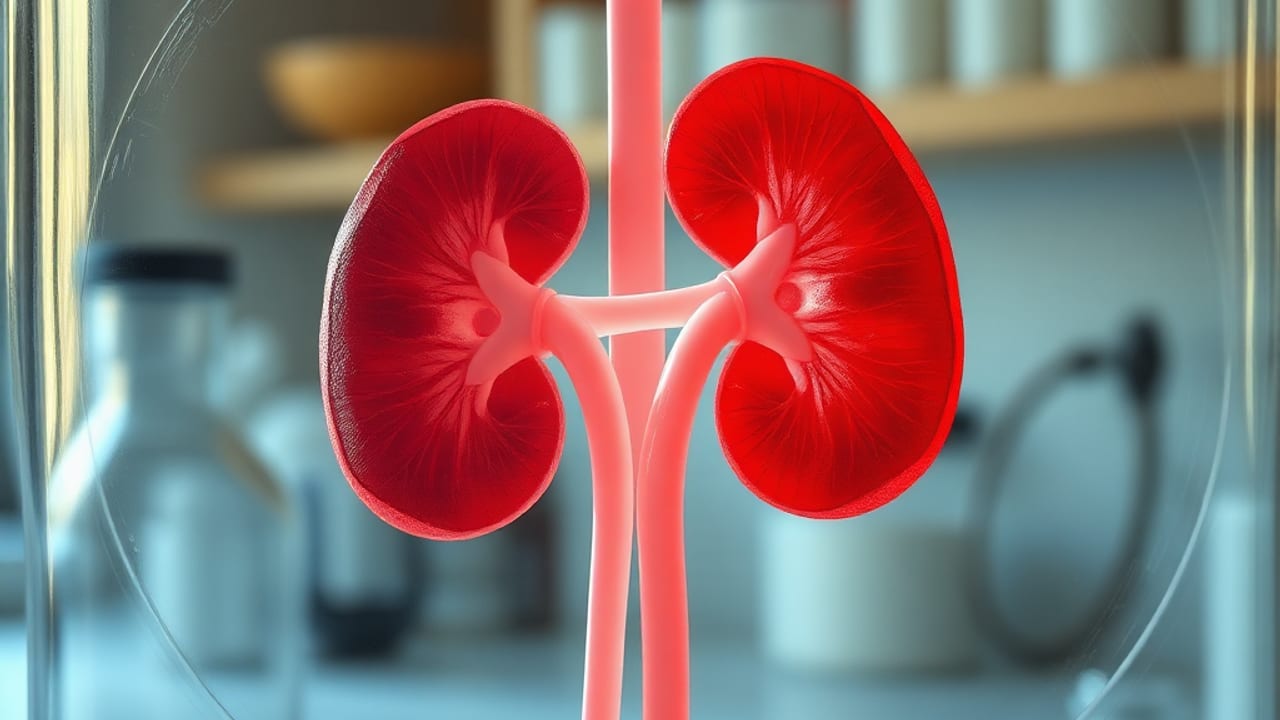
- Nephropathy (Kidney Health): Kidneys filter waste from blood. Routine urine tests checking for microalbumin assist in early kidney protection.
- Neuropathy (Nerve Health): Reduced blood supply to nerves can cause numbness or tingling, especially in the feet.
Macrovascular Complications (Large Blood Vessels)
- Heart Disease and Stroke: Diabetes increases cardiovascular risk. Managing blood pressure and lipid profiles (cholesterol) alongside glucose is essential for complete metabolic health.
The Preventative Checklist
- Daily: Self-inspect feet for redness, cuts, or sores.
- Every 3 Months: Check HbA1c with your healthcare team.
- Annually: Schedule a dilated eye exam, comprehensive foot exam, kidney function panel, and lipid panel.
Common questions
Frequently asked questions
How often should I have an eye exam if I have diabetes?
An annual dilated eye exam with an optometrist or ophthalmologist is recommended.
Why is foot care so important in diabetes?
Reduced nerve sensation and decreased blood circulation can cause minor foot injuries to go unnoticed and develop into severe ulcers.
References
Sources
- National Institute of Diabetes and Digestive and Kidney Diseases (NIDDK)