A Doctor’s Guide to Eating with Diabetes: What to Put on Your Plate
Discover a balanced, non-restrictive approach to meal planning using the Diabetes Plate Method for practical, stress-free daily nutrition.

Beyond Extreme Restriction
One of the most persistent misconceptions about diabetes is that it requires an overly restrictive diet devoid of flavor or enjoyment. In modern clinical practice, management focuses on sustainable nutrition patterns that stabilize post-meal glucose spikes while nourishing your body.
The Diabetes Plate Method
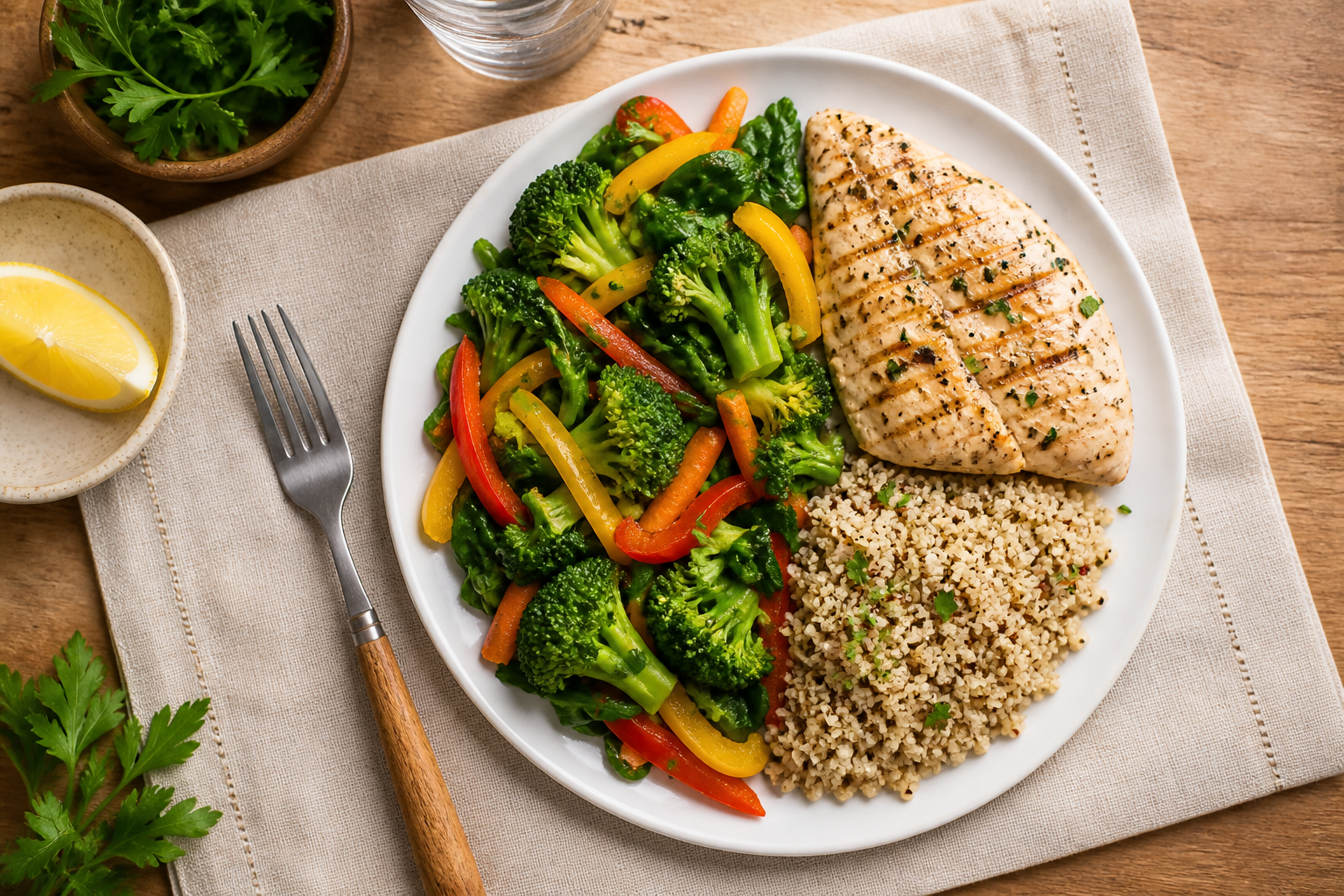
A simple visual tool for structuring lunch and dinner without tedious calorie counting:
- Fill Half Your Plate with Lean Protein: Fish, chicken, turkey, tofu, eggs, or lean cuts of meat.
- Fill One-Quarter with Non-Starchy Vegetables: Leafy greens, broccoli, cauliflower, cucumbers, bell peppers, and green beans.
- Fill One-Quarter with Quality Carbohydrates: Quinoa, brown rice, sweet potatoes, lentils, or whole-grain options.
Smart Food Pairing Strategies
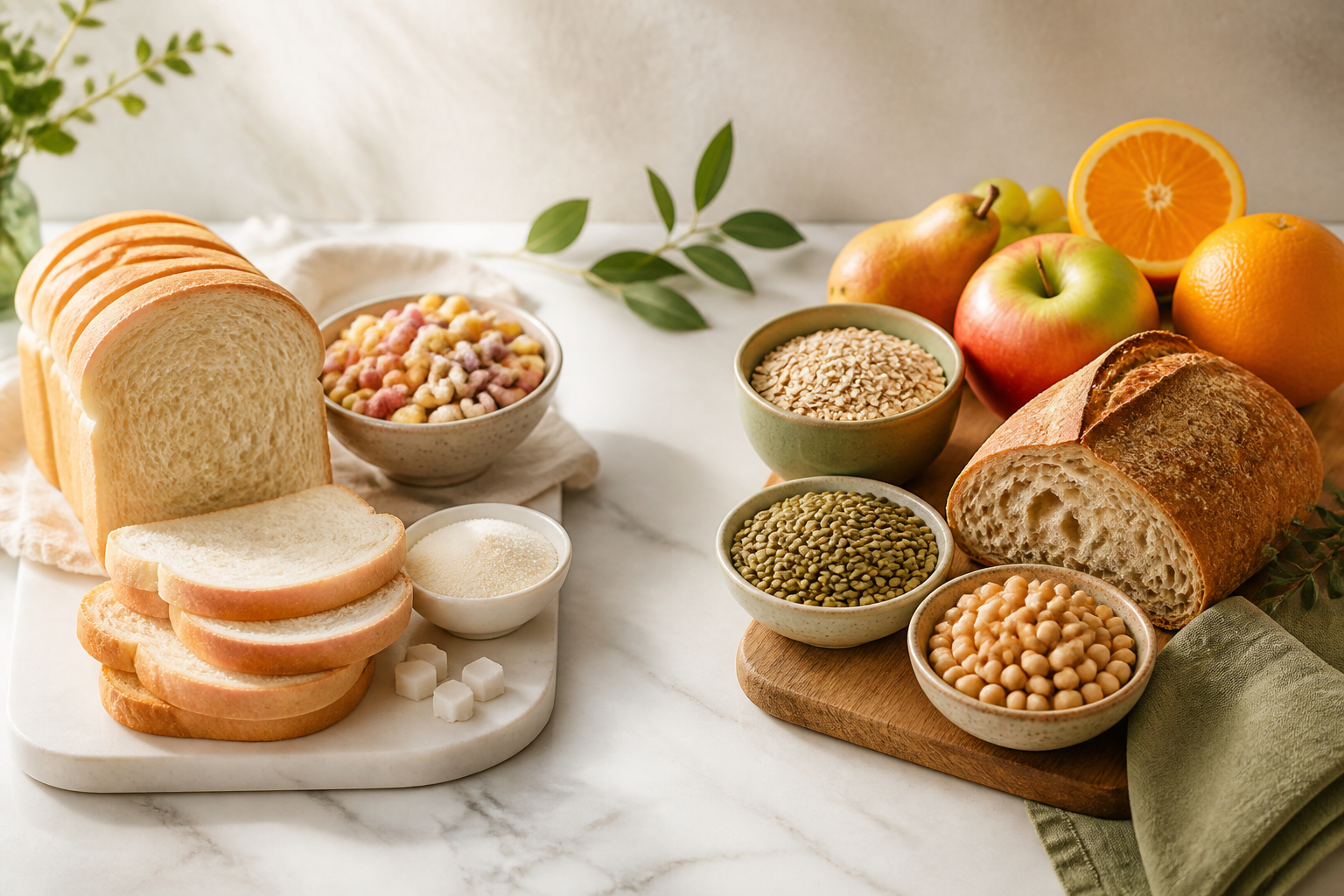
To minimize glucose spikes, avoid eating "naked carbs." Always pair carbohydrates with protein or healthy fats:
- Instead of an apple alone: Pair it with a handful of raw almonds or peanut butter.
- Instead of plain toast: Top whole-grain bread with avocado and poached eggs.
- Instead of white rice: Blend cauliflower rice into brown rice or quinoa for higher fiber intake.
Common questions
Frequently asked questions
Do I have to eliminate carbohydrates completely?
It depends. Carbohydrates are an essential energy source. Focus on complex, high-fiber carbohydrates in appropriate portions rather than elimination.
Can I still eat out at restaurants?
Yes. Look for lean proteins, request sauces on the side, and opt for steamed or grilled vegetable side dishes.